

























Call Us
Cancer Screening
Cancer ScreeningCancer Screening

Cancer Screening Test: Types, Cost & Process

Cancer Screening Test: Types, Cost & Process

Overview of Cancer Screening

Overview of Cancer Screening

Chemotherapy explanation

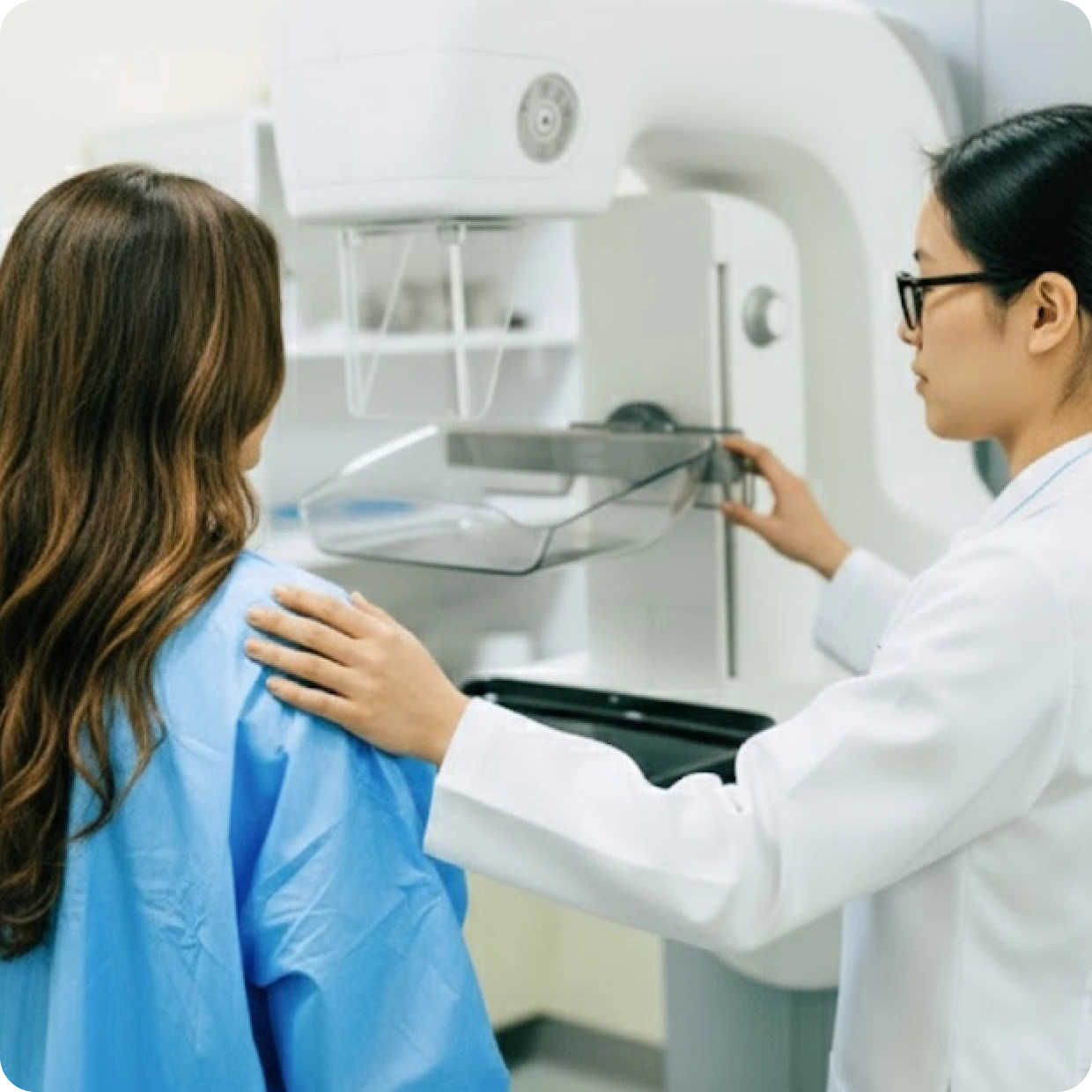
Cancer screening tests are medical examinations performed on healthy individuals without cancer symptoms to assess for precancerous alterations or early disease indicators. Detecting malignancies such breast, cervical, colorectal, and oral cancers at an early stage when treatment is easier, less drastic, and more likely to be successful is the aim.

Appropriate cancer screening programs can drastically lower the number of people dying from common malignancies in India. Compared to tumors discovered later after symptoms worsen, early identification frequently results in fewer operations, reduced treatment costs, and a higher quality of life.

Chemotherapy explanation

Cancer screening tests are medical examinations performed on healthy individuals without cancer symptoms to assess for precancerous alterations or early disease indicators. Detecting malignancies such breast, cervical, colorectal, and oral cancers at an early stage when treatment is easier, less drastic, and more likely to be successful is the aim.

Appropriate cancer screening programs can drastically lower the number of people dying from common malignancies in India. Compared to tumors discovered later after symptoms worsen, early identification frequently results in fewer operations, reduced treatment costs, and a higher quality of life.

Why Cancer Screening Matters?

Why Cancer Screening Matters?

Regular cancer screening facilitates the early detection of abnormal cells or growths, preventing progression to advanced cancer or metastasis to other organs. This indicates an increase in options for organ-preserving surgery, targeted therapies, and the removal of pre-cancerous lesions, such as colon polyps or cervical cell changes, prior to their progression to a more hazardous state.

The screening and early detection of cancer mitigate both the emotional and financial burdens on families. Early detection of disease results in reduced hospital stays, increased likelihood of long-term management, and a quicker return to work and normal activities.

Chemotherapy explanation

Regular cancer screening facilitates the early detection of abnormal cells or growths, preventing progression to advanced cancer or metastasis to other organs. This indicates an increase in options for organ-preserving surgery, targeted therapies, and the removal of pre-cancerous lesions, such as colon polyps or cervical cell changes, prior to their progression to a more hazardous state.

The screening and early detection of cancer mitigate both the emotional and financial burdens on families. Early detection of disease results in reduced hospital stays, increased likelihood of long-term management, and a quicker return to work and normal activities.

Who Should Get a Cancer Screening Test?

Cancer screening is most effective when matched to age, gender, family history and lifestyle risks instead of a one-size-fits-all package.

By age

Ages 21-29: Cervical screening (Pap test every 3 years) is usually recommended for women; everyone should learn warning signs and do self-checks where relevant.

Ages 30-39: Women may continue Pap tests and, based on risk, start discussions on breast screening; men and women can begin basic body screening for cancer.

Ages 40-49: Many people benefit from routine cancer screening tests such as mammograms for women and stool‑based colorectal screening.

Ages 50 and above: Stronger evidence supports regular screening for breast, cervical, colorectal and, in selected cases, prostate and lung cancer.

By gender

Females: Cancer screening tests for females often include breast screening (mammogram or ultrasound based on age and density), cervical screening (Pap + HPV), pelvic ultrasound, and relevant blood tests.

Males: Cancer screening tests for males may include prostate assessment (PSA and exam when indicated), abdominal ultrasound, and colorectal screening with stool tests or colonoscopy referral.

By family history and genetics

People with strong family history of breast, ovarian, colorectal, prostate or certain other cancers may need to start screening earlier and repeat it more frequently. Some may benefit from genetic counselling and testing to refine personalised guidelines.

By lifestyle and environmental risks

Long-term tobacco use, heavy alcohol intake, obesity, low physical activity, high pollution exposure and some occupational hazards increase risk. In these groups, doctors may advise a more proactive cancer screening process, even before standard guideline ages.

If you are unsure how to screen for cancer in your situation, an Everhope oncologist can review your risk factors and suggest the right cancer screening test India guidelines for you.

Screening plans at Everhope

Save up to 76% vs usual rates

Men's package

  • AFP – Liver & testicular marker
  • PSA (Total & Free) – Prostate cancer screening
  • CEA – Colon & GI cancers
  • Consultation with Medical Oncologist

Women's package

  • CA125 – Ovarian cancer marker
  • Pap Smear (LBC) – Cervical screening
  • Thermolytix Breast Cancer Screening
  • CEA – Colon & GI cancers
  • Consultation with Medical Oncologist

Couple Package

  • Includes all Men + Women tests
  • Consultation with Medical Oncologist

*These packages are available only during the screening drive.

Types of Cancer Screening Tests We Offer

Types of Cancer Screening Tests We Offer

Everhope's cancer screening clinic in Gurgaon provides a variety of services and package options. Cancer screening tests are selected on an individual basis; not all individuals require every test. Oncologist-led triage guarantees that each patient receives the appropriate cancer screening test rather than the highest quantity of tests:

Everhope's cancer screening clinic in Gurgaon provides a variety of services and package options. Cancer screening tests are selected on an individual basis; not all individuals require every test. Oncologist-led triage guarantees that each patient receives the appropriate cancer screening test rather than the highest quantity of tests:

Blood tests and tumour markers icon

Blood tests and tumour markers

Blood tests and tumour markers where clinically appropriate

Imaging icon

Imaging

Imaging: ultrasound, mammogram, X-ray, CT, MRI, and where indicated PET-CT

Cervical cancer screening icon

Cervical cancer screening

Cervical cancer screening with Pap smear and HPV testing

Colon and rectal screening icon

Colon and rectal screening

Colon and rectal screening with stool tests and colonoscopy referral when needed

Prostate screening icon

Prostate screening

Prostate screening for eligible men

Organ-specific screening icon

Organ-specific screening

Organ-specific screening for liver, lung, head & neck, and others when risk factors exist

Blood tests and tumour markers where clinically appropriate

Imaging: ultrasound, mammogram, X-ray, CT, MRI, and where indicated PET-CT

Cervical cancer screening with Pap smear and HPV testing

Colon and rectal screening with stool tests and colonoscopy referral when needed

Prostate screening for eligible men

Organ-specific screening for liver, lung, head & neck, and others when risk factors exist

How the Cancer Screening Process Works

Cancer screening at Everhope follows a clear, patient‑friendly pathway so that people know exactly what to expect.

Advanced or aggressive cancers

Appointment & Pre-Assessment

Cancer screening tests can be scheduled at Everhope through phone, website, or in-person appointments. A concise questionnaire gathers information on age, symptoms, family history, and lifestyle risks to enable the team to recommend an appropriate package.

Drug-responsive cancer types

Pre-Test Preparation

Staff provide guidelines regarding fasting requirements, medication modifications, appropriate attire, and estimated durations for each screening test. Questions regarding the cancer screening process are addressed in advance.

Cancer with distant spread

Screening Day

During your visit, you will complete registration and undergo baseline vital checks. Laboratory samples are collected, imaging is conducted according to protocol, and any physician-led examinations, including breast or prostate assessments, are carried out with due regard for privacy and sensitivity.

Drug-responsive cancer types

Results Compilation

Laboratory teams and radiologists analyze and document results. Results from routine cancer screening tests are aggregated into a comprehensive report that is straightforward to interpret.

Advanced or aggressive cancers

Oncologist Consultation

An oncologist or physician at Everhope evaluates each result, clarifies the significance of each value or image, and addresses any inquiries. The physician recommends subsequent actions if additional assessment is required.

Drug-responsive cancer types

Follow-Up & Reminders

The results provide recommendations regarding the timing of repeat screenings, suggested lifestyle modifications, and the necessity for any further diagnostic procedures. Reminder systems assist patients in adhering to their schedules.

Cancer screening tests can be scheduled at Everhope through phone, website, or in-person appointments. A concise questionnaire gathers information on age, symptoms, family history, and lifestyle risks to enable the team to recommend an appropriate package.

Advanced or aggressive cancers

Staff provide guidelines regarding fasting requirements, medication modifications, appropriate attire, and estimated durations for each screening test. Questions regarding the cancer screening process are addressed in advance.

Drug-responsive cancer types

During your visit, you will complete registration and undergo baseline vital checks. Laboratory samples are collected, imaging is conducted according to protocol, and any physician-led examinations, including breast or prostate assessments, are carried out with due regard for privacy and sensitivity.

Cancer with distant spread

Laboratory teams and radiologists analyze and document results. Results from routine cancer screening tests are aggregated into a comprehensive report that is straightforward to interpret.

Advanced or aggressive cancers

An oncologist or physician at Everhope evaluates each result, clarifies the significance of each value or image, and addresses any inquiries. The physician recommends subsequent actions if additional assessment is required.

Drug-responsive cancer types

The results provide recommendations regarding the timing of repeat screenings, suggested lifestyle modifications, and the necessity for any further diagnostic procedures. Reminder systems assist patients in adhering to their schedules.

Cancer with distant spread

Preparing for Your Screening

Preparing for Your Screening

Chemotherapy explanation

A little preparation can make your cancer screening test smoother and more informative.

  • Confirm whether fasting is needed for blood tests (often 8–12 hours).
  • Bring previous medical reports, prescriptions, and any prior imaging.
  • Inform the team about ongoing medications, allergies, or pregnancy.
  • Wear loose, comfortable clothing and avoid jewellery for imaging tests.
  • Plan 2–4 hours at the centre, depending on the selected cancer screening package.
  • Note down any symptoms or questions you want to discuss with the doctor.

This simple checklist ensures that screening and early detection of cancer is efficient, safe, and tailored to your needs.

Chemotherapy explanation

A little preparation can make your cancer screening test smoother and more informative.

  • Confirm whether fasting is needed for blood tests (often 8–12 hours).
  • Bring previous medical reports, prescriptions, and any prior imaging.
  • Inform the team about ongoing medications, allergies, or pregnancy.
  • Wear loose, comfortable clothing and avoid jewellery for imaging tests.
  • Plan 2–4 hours at the centre, depending on the selected cancer screening package.
  • Note down any symptoms or questions you want to discuss with the doctor.

This simple checklist ensures that screening and early detection of cancer is efficient, safe, and tailored to your needs.

Cancer Screening at Everhope

Cancer Screening at Everhope

Why Choose Interventional Oncology at Everhope?

Why Choose Interventional Oncology at Everhope?

Oncologist‑Reviewed Reports

All cancer screening information undergoes review by specialized oncologists rather than general physicians. This minimizes the likelihood of overlooked subtle findings and guarantees that any concerning result is promptly addressed through the appropriate diagnostic pathway.

Modern Lab & Imaging Facilities

Everhope integrates advanced laboratory equipment with contemporary imaging facilities, enabling the completion of most routine cancer screening tests in a single location. Integrated systems enhance accuracy and efficiency while reducing the necessity for visits to multiple centers.

Affordable Packages, Insurance Support

The prices and costs associated with cancer screening tests are transparently outlined for each package, offering options that accommodate various budgets. The team assists in comprehending available insurance or wellness benefits and provides support for billing clarity.


Insurance at Everhope

Insurance at Everhope

Cost & Insurance

Cost & Insurance

Costs for routine cancer screening tests depend on the package chosen and any additional organ‑specific tests advised. In general, basic packages are priced to be accessible for first‑time screeners, while comprehensive and premium options bundle more advanced imaging and specialist consults at better value than individual tests.

All cancer treatments at Everhope are eligible for billing under major private and government health insurance plans where wellness or preventive coverage is available, and No‑Cost EMI options are offered to make treatment more affordable for families.

Results & Next Steps

Managing Side Effects With Supportive Care

Results & Next Steps

While certain specialized imaging or genetic tests may take a little longer, the majority of basic cancer screening procedures produce findings in 24 to 72 hours. When everything is complete, the report is combined, and a consultation with an oncologist is planned to discuss the results.

In the event that an anomaly is found, the physician will discuss next actions, which can involve referral to an organ-specific expert or particular cancer diagnostic tests (such biopsy or more thorough imaging). You receive lifestyle advice, age- and gender-specific cancer screening data, and reminders on when to repeat your cancer screening test in India in accordance with current guidelines if your findings are normal.

FAQs on Chemotherapy

No question is too small when it comes to your care

Cancer screening is important because it can detect disease before symptoms appear, when treatment is usually easier and more effective. Early detection often means smaller procedures, lower treatment cost, and a higher chance of long‑term cure.

Most well‑established cancer screening tests are highly sensitive and specific when performed correctly and interpreted by experienced specialists. However, no test is perfect; sometimes further diagnostic evaluation is needed to confirm or rule out cancer.

There are no reliable screening tests for every kind of cancer. Some, such as colorectal, breast, and cervical cancer, have compelling evidence for screening the general population, whereas others depend on symptom- or risk-based assessment. Which tests are suitable for you might be determined by your physician.

The majority of cancer screening techniques, such Pap smears, imaging, and blood testing, are non-invasive or minimally invasive and only cause temporary pain. The staff takes precautions to minimize discomfort and provides advance notice if any procedures may be difficult.

You can book a cancer screening test at Everhope’s cancer screening center in Gurgaon through the website, helpline, or by visiting the clinic directly. The team will help you choose the right package and schedule a convenient time.