










Call Us
Interventional Oncology
Chemotherapy TreatmentChemotherapy Treatment

Interventional Oncology - Advanced Treatment in Gurgaon

Interventional Oncology - Advanced Treatment in Gurgaon

What is Interventional Oncology?

What is Surgical Oncology?

Chemotherapy explanation

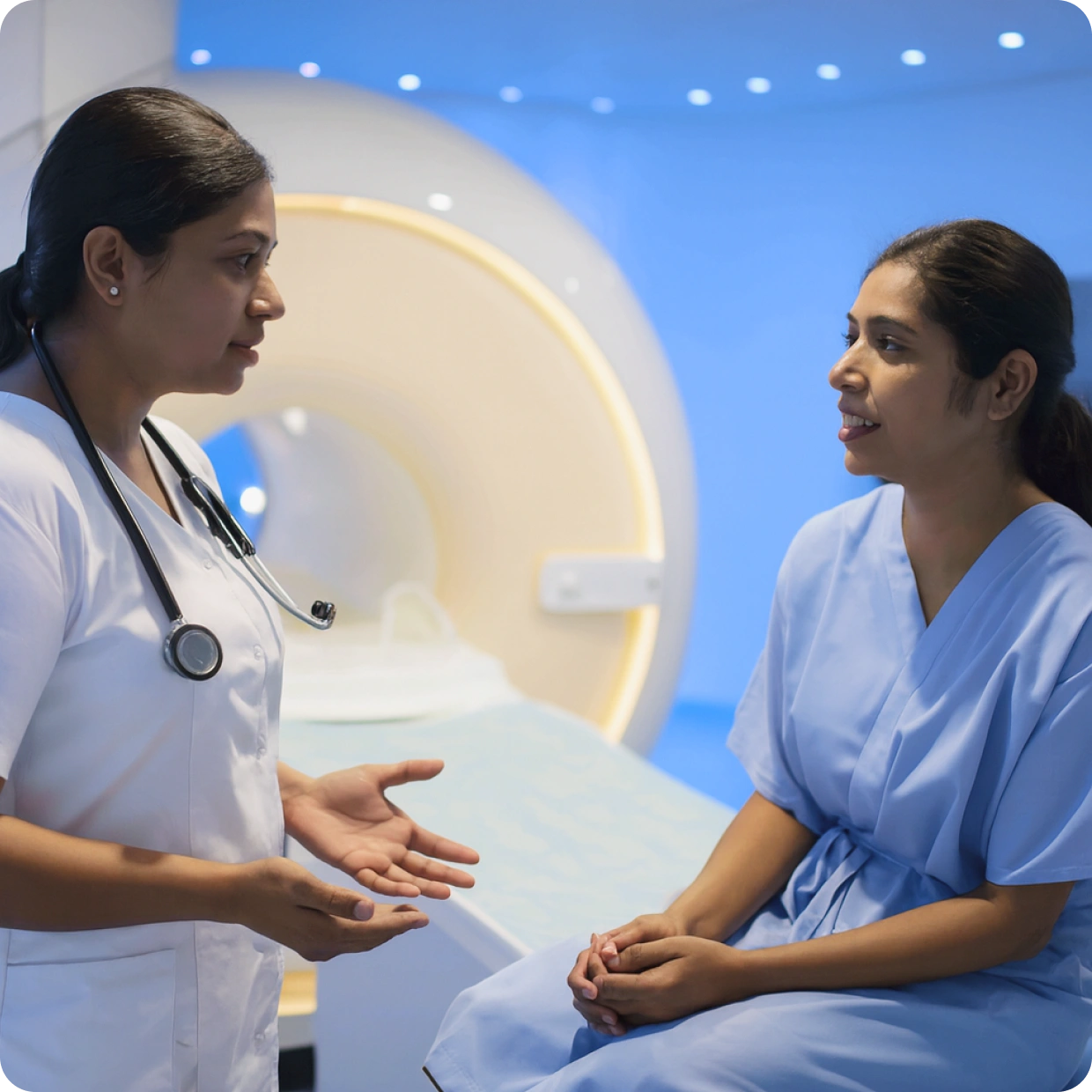
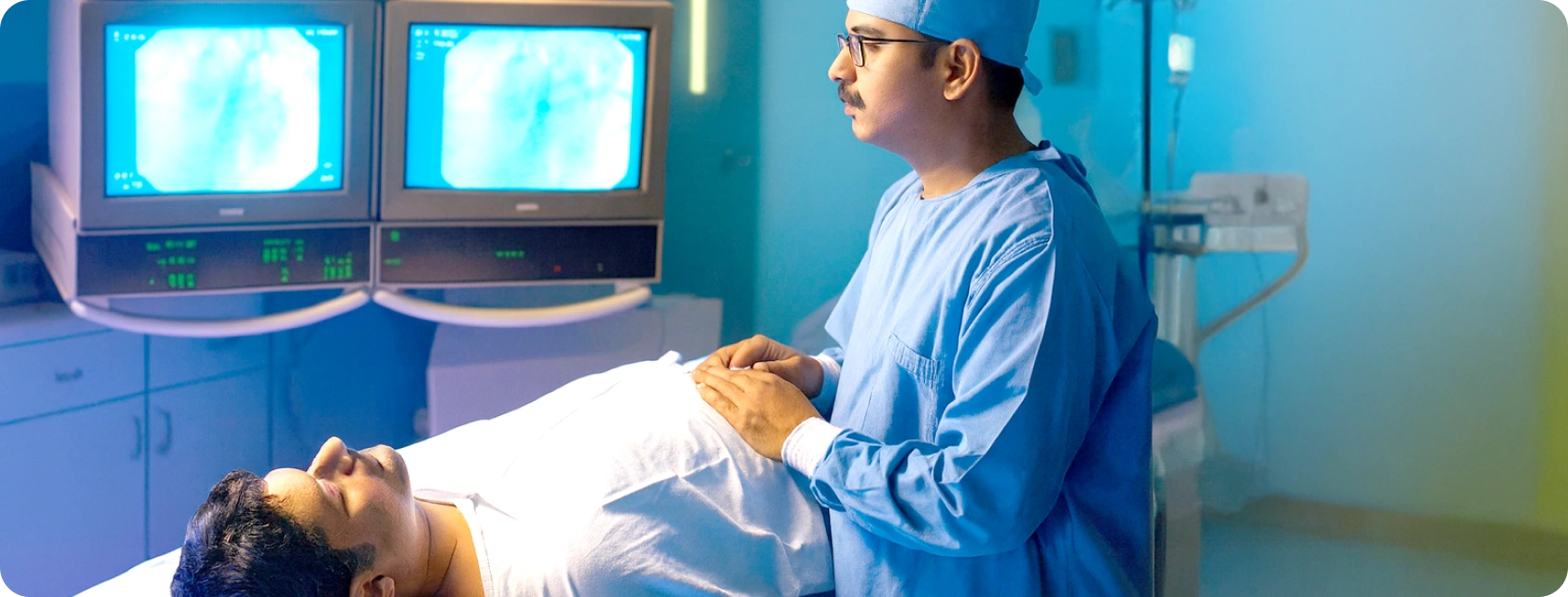
Interventional oncology is a way to find and treat cancer that uses images and is not very invasive. It uses modern imaging (CT, ultrasound, MRI) to guide precisely targeted treatments directly to tumors using small needle punctures or catheters, rather than open surgery. Interventional oncology definition encompasses both diagnostic biopsies and therapeutic ablation or embolization techniques. Interventional oncology is now recognized as the fourth pillar of modern cancer care, alongside surgery, chemotherapy, and radiation.

Chemotherapy explanation

What is surgical oncology? It is a medical speciality focused on diagnosing, staging, and treating cancer through surgical intervention. Surgical oncology meaning encompasses physical tumor removal, lymph node surgery, and tissue resection to prevent cancer spread. Our surgical oncology definition emphasizes precision, minimal trauma, and multimodal integration. Surgery remains the cornerstone of cancer therapy for over 50% of cancer patients undergoing surgical intervention.

Types of Cancer Treated by Surgical Oncologists

Types of Cancer Treated by Surgical Oncologists

Through various types of surgical oncology techniques, many cancers are treated.

Through various types of surgical oncology techniques, many cancers are treated.

Liver Cancer icon

Liver Cancer

HCC, colorectal metastases

Kidney Cancer icon

Kidney Cancer

renal cell carcinoma

Lung cancer icon

Lung cancer

early-stage, peripheral tumors

Breast cancer icon

Breast cancer

small, localized lesions

Bone Tumors & Metastases icon

Bone Tumors & Metastases

painful bone lesions

Prostate Cancer icon

Prostate Cancer

selected cases

Pancreatic cancer icon

Pancreatic cancer

localized, unresectable

Adrenal Tumors icon

Adrenal Tumors

HCC, colorectal metastases

renal cell carcinoma

early-stage, peripheral tumors

small, localized lesions

painful bone lesions

selected cases

localized, unresectable

Who Is a Candidate for Interventional Oncology?

Patients with the following conditions are ideal candidates:

Tumors that are small to medium in size (usually less than 5 cm, however this varies)

Tumors in easily accessible areas (liver, kidney, lung, bone, adrenal)

Lesions in small numbers (oligometastatic illness)

Individuals who are unwilling or unable for open surgery

Disease recurrence or persistence following other therapies

Types of Interventional Oncology Procedures

Cryoablation
Freezes and kills cancer with liquid nitrogen, which is very cold. Imaging lets you keep a close eye on the freezing process in real time. When compared to heat-based ablation, it has benefits like better tumor reaction, faster healing, and less pain.
Radiofrequency and Microwave Ablation
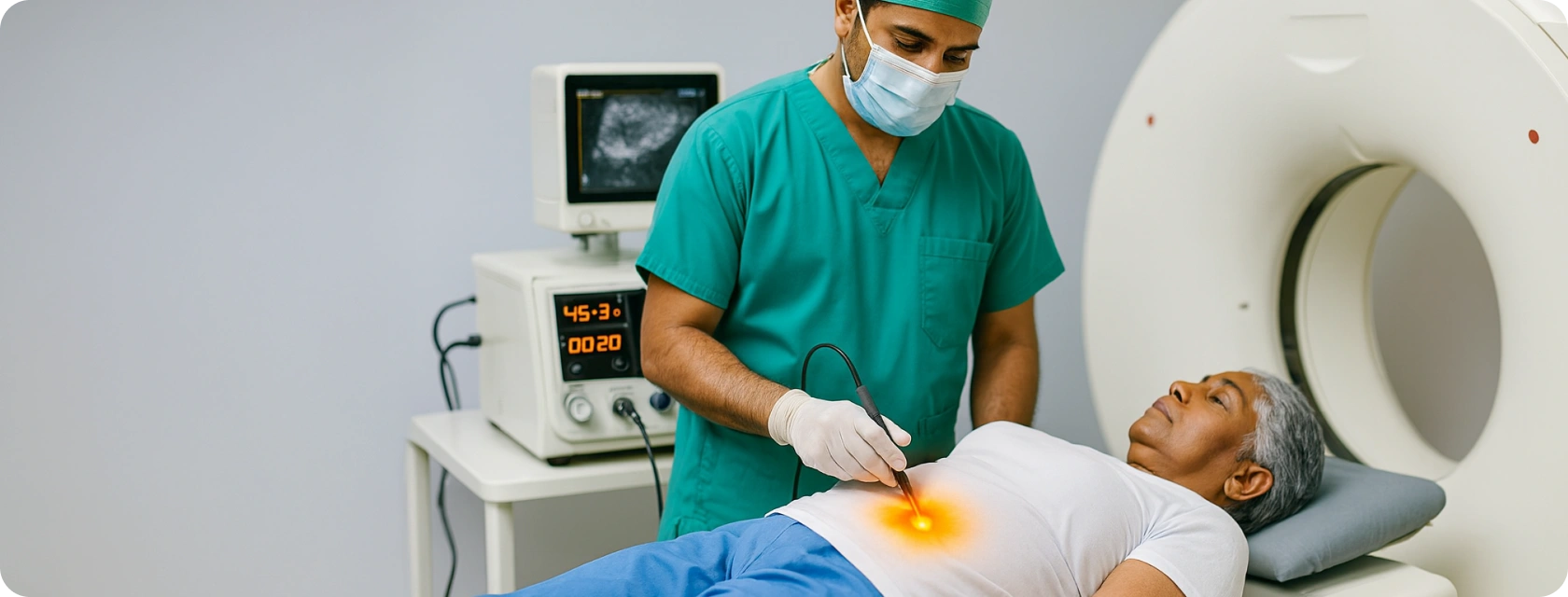
Microwaves or high-frequency electrical currents (RF) heat tumor tissue to 60°C+, killing cells. Both are quick, can be done again and again, and can be used on small to medium-sized growth in the liver, kidneys, and lungs.
High-Intensity Focused Ultrasound (HIFU)
Uses concentrated ultrasonic waves to produce heat and eradicate malignancies without making any cuts. monitored with the assistance of an MRI or ultrasound. No radiation that ionizes. Very good at controlling pain and leaving very little scarring.
Strontium Chloride Therapy
To target and alleviate pain from bone metastases, an intravenous injection of a radioactive bone-seeking agent (Sr-89 or Sr-153) is administered. C an be repeated and helps patients with excruciating bone tumors live better lives.
Theranostics
Integrates diagnostic imaging with precise therapeutic administration. Employs radioactive agents or antibodies that serve dual functions in visualizing and treating tumors, such as PSMA radioligand therapy for prostate cancer. Optimal implementation of personalized precision oncology.

How Interventional Oncology Works: Step-by-Step Process

How Interventional Oncology Works: Step-by-Step Process

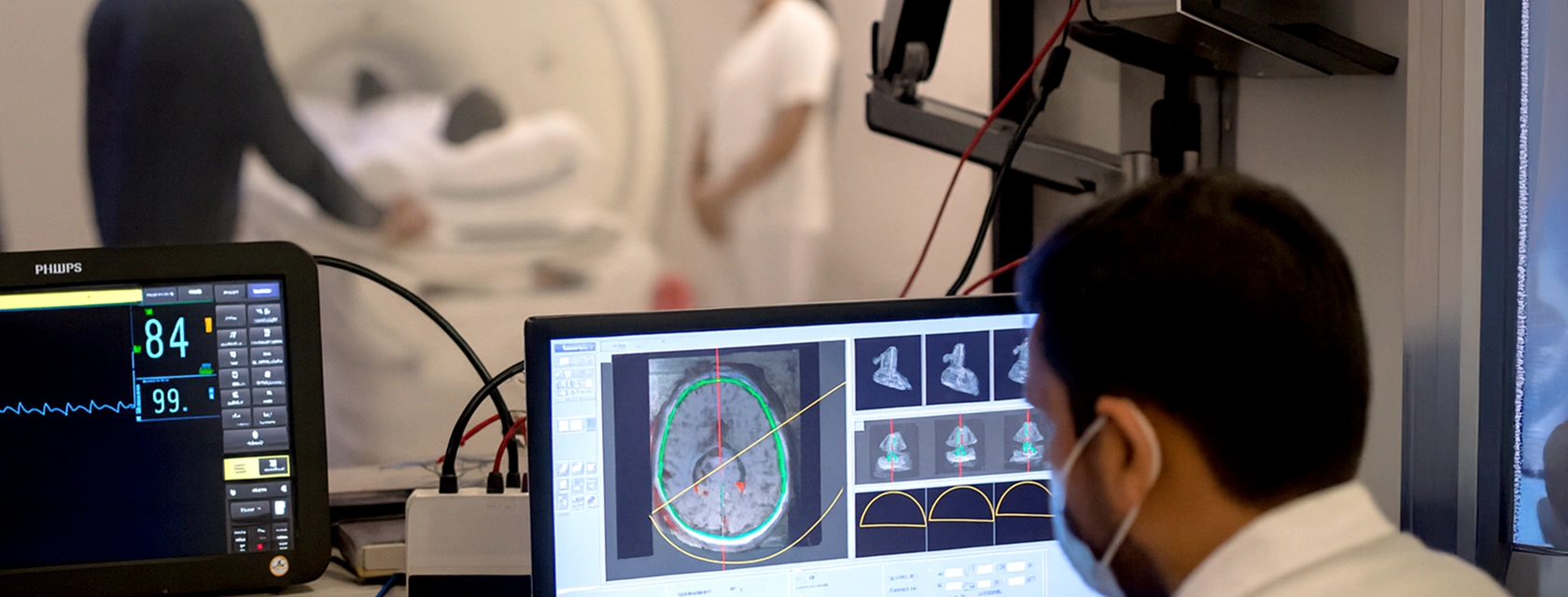
High-quality CT, ultrasound, or MRI localizes the tumor and maps the approach route.

Radiologist advances a needle or catheter to the tumor under real-time imaging guidance.

Ablation energy (cold, heat, ultrasound, radiation) or chemotherapy is delivered directly to the tumor.

Imaging confirms complete tumor coverage and checks for complications.

Most procedures are outpatient. Follow-up imaging at 4-12 weeks assesses treatment response.

Interventional Oncology at Everhope

Interventional Oncology at Everhope

Why Choose Interventional Oncology at Everhope?

Why Choose Interventional Oncology at Everhope?

Minimally Invasive Approach

Interventional oncology procedures performed at Everhope require only needle punctures, not surgical incisions. This means less pain, fewer complications, minimal scarring, and faster recovery—most patients return home the same day.

Targeted Cancer Treatment

Interventional oncology in India at Everhope delivers therapy directly to the tumor while sparing healthy tissue. This precision maximizes effectiveness and minimizes systemic side effects, offering a personalized approach to cancer care.

Faster Recovery

Compared to open surgery, interventional oncology means shorter hospital stays (often outpatient), quicker return to daily activities, and better quality of life during treatment. Most patients resume work or normal routines within days.


Insurance at Everhope

Insurance at Everhope

Understanding Insurance Coverage for Interventional Oncology

Understanding Insurance Coverage for Interventional Oncology

Insurance coverage for interventional oncology in India is expanding as these procedures gain recognition as standard-of-care options. Everhope oncology covers all treatments under most private and government insurances, in addition to offering No-Cost EMI.

Book Your Consultation

Don't delay your cancer treatment. Contact Everhope today to schedule a consultation with our surgical oncology doctors in surgical oncology in gurgaon. Our team provides comprehensive evaluation, personalized treatment planning, and expert surgical care.

Location: Everhope Oncology, Gurugram

Phone: +91 89296 72099

Email: support@everhope.care

Key Take Away

Interventional oncology serves as a significant advancement in contemporary cancer treatment, integrating precise targeting, minimal invasiveness, expedited recovery, and favorable outcomes. Everhope provides advanced interventional oncology procedures in Gurgaon, conducted by skilled interventional radiologists and oncologists, ensuring personalized and cutting-edge cancer treatment.

FAQs on Chemotherapy

No question is too small when it comes to your care

No. Interventional oncology works best for localized or oligometastatic disease (few lesions) and early to intermediate stages. Advanced, widely metastatic cancers may require systemic therapy first. Your oncology team will determine suitability based on imaging, stage, and overall health.

Interventional oncology offers dramatically faster recovery—most procedures are outpatient, with patients returning home same-day or after one night. Pain is minimal, and return to normal activities occurs within days (vs. weeks with open surgery). No large incisions mean no surgical wounds to heal.

Interventional oncology procedures show excellent response rates for appropriately selected patients—often 80-90%+ complete tumor ablation in early-stage disease. Combining interventional oncology with other treatments (chemo, radiation, immunotherapy) further improves outcomes. Long-term survival data support these techniques as durable treatment options."

Interventional radiology is the broader specialty; interventional oncology is its cancer-focused subspecialty. All interventional oncology is performed by interventional radiologists, but not all interventional radiologists specialize in cancer treatment.

Yes, interventional oncology is ideal for oligometastatic disease (few, scattered lesions). Patients with 1-3 metastases in accessible organs may be candidates for ablation or embolization to achieve disease control or bridge to systemic therapy.