































Call Us
Surgical Oncology
Chemotherapy TreatmentChemotherapy Treatment

Surgical Oncology Treatment - Cancer Surgery Solutions

Surgical Oncology Treatment - Cancer Surgery Solutions

What is Surgical Oncology?

What is Surgical Oncology?

Chemotherapy explanation

What is surgical oncology? It is a medical speciality focused on diagnosing, staging, and treating cancer through surgical intervention. Surgical oncology meaning encompasses physical tumor removal, lymph node surgery, and tissue resection to prevent cancer spread. Our surgical oncology definition emphasizes precision, minimal trauma, and multimodal integration. Surgery remains the cornerstone of cancer therapy for over 50% of cancer patients undergoing surgical intervention.

What is surgical oncology in modern practice? It combines advanced techniques with personalized care planning. Our department of surgical oncology works with medical and radiation oncologists to design comprehensive strategies. Surgical oncology offers curative potential for localized cancers while providing palliative benefits for advanced disease.

Chemotherapy explanation

What is surgical oncology? It is a medical speciality focused on diagnosing, staging, and treating cancer through surgical intervention. Surgical oncology meaning encompasses physical tumor removal, lymph node surgery, and tissue resection to prevent cancer spread. Our surgical oncology definition emphasizes precision, minimal trauma, and multimodal integration. Surgery remains the cornerstone of cancer therapy for over 50% of cancer patients undergoing surgical intervention.

What Do Surgical Oncology Do?

What Do Surgical Oncology Do?

Surgical oncologists use tissue samples and biopsies to identify and stage malignancy. They carry out reconstructive treatments, remove afflicted lymph nodes, perform curative or palliative resections, remove malignancy with clear surgical margins, and offer thorough pre- and post-operative care. In order to ensure integrated cancer management throughout therapy, they collaborate with multidisciplinary teams.

Chemotherapy explanation

What is surgical oncology? It is a medical speciality focused on diagnosing, staging, and treating cancer through surgical intervention. Surgical oncology meaning encompasses physical tumor removal, lymph node surgery, and tissue resection to prevent cancer spread. Our surgical oncology definition emphasizes precision, minimal trauma, and multimodal integration. Surgery remains the cornerstone of cancer therapy for over 50% of cancer patients undergoing surgical intervention.

Who Needs Surgical Oncology?

Patients requiring surgical intervention include those with:

Localized cancers

Localized solid tumours suitable for complete removal

Early stage cancer

Early-stage cancers where surgery offers best cure rates

Cancers That React to Other Drugs

Advanced cancers requiring debulking for chemotherapy benefit

Patients with Significant Frailty or Comorbidities

Recurrent cancers needing surgical management

Patients with Significant Frailty or Comorbidities

Patients requiring diagnostic biopsies or staging procedures

Patients with Significant Frailty or Comorbidities

Cancers causing obstruction or complications

Patients with Significant Frailty or Comorbidities

Patients seeking reconstructive procedures after tumor removal

Types of Cancer Treated by Surgical Oncologists

Types of Cancer Treated by Surgical Oncologists

Through various types of surgical oncology techniques, many cancers are treated.

Through various types of surgical oncology techniques, many cancers are treated.

Breast cancer icon

Breast cancer

Colorectal cancer icon

Colorectal cancer

Gastric cancer icon

Gastric cancer

Hepatocellular cancer icon

Hepatocellular cancer

Pancreatic cancer icon

Pancreatic cancer

Lung cancer icon

Lung cancer

Ovarian and Gynecologic cancers icon

Ovarian and Gynecologic cancers

Head and Neck cancers icon

Head and Neck cancers

Renal cell carcinoma icon

Renal cell carcinoma

Bladder cancer icon

Bladder cancer

Sarcomas icon

Sarcomas

Endocrine Tumors icon

Endocrine Tumors

Surgical Oncology Procedures

Tumour Resection
Tumour resection removes cancer with clear margins while preserving healthy tissue. Complete resection offers the best cure potential. Surgeons remove affected lymph nodes and surrounding tissues preventing recurrence. Extent depends on tumor size, location, and stage.
Minimally Invasive / Robotic Surgery
Recent advances in surgical oncology include robotic and minimally invasive techniques providing enhanced precision and faster recovery. Robotic systems offer 3D visualization, enhanced dexterity, and remarkable accuracy. These approaches reduce blood loss, minimize scarring, decrease pain, and enable rapid recovery.
Reconstructive Surgery
Following tumor removal, reconstruction restores appearance and function. Breast reconstruction after mastectomy, facial reconstruction after head and neck surgery, and organ-preserving procedures maintain dignity and quality of life while treating cancer effectively.
Sentinel Lymph Node Biopsy
This procedure identifies and excises the initial lymph node(s) to which cancer commonly metastasizes. Surgeons assess sentinel nodes to establish staging and ascertain the need for further removal, thereby preventing unnecessary interventions.
Cytoreductive Surgery & HIPEC
Cytoreductive surgery removes visible tumor from the abdominal cavity, often combined with hyperthermic intraperitoneal chemotherapy (HIPEC). This heated chemotherapy delivery improves outcomes in select ovarian and peritoneal cancers.

Recent Advances in Surgical Oncology

Recent Advances in Surgical Oncology

Chemotherapy explanation

Cancer therapy has been transformed by recent advances in surgical oncology. Robotic platforms make it possible to perform intricate surgeries with previously unheard-of accuracy through tiny incisions. Intraoperative imaging in image-guided surgery guarantees total tumor removal while protecting healthy tissue. Protocols for Enhanced Recovery After Surgery (ERAS) reduce complications and hasten recuperation. Molecular-guided resection ensures total removal while optimizing organ preservation by precisely identifying cancer borders using tumor-specific markers. Surgery with fluorescence guidance enhances the ability to see the edges of tumors.

Chemotherapy explanation

What is surgical oncology? It is a medical speciality focused on diagnosing, staging, and treating cancer through surgical intervention. Surgical oncology meaning encompasses physical tumor removal, lymph node surgery, and tissue resection to prevent cancer spread. Our surgical oncology definition emphasizes precision, minimal trauma, and multimodal integration. Surgery remains the cornerstone of cancer therapy for over 50% of cancer patients undergoing surgical intervention.

Surgical Oncology at Everhope

Surgical Oncology at Everhope

Why Choose Everhope for Surgical Oncology?

Why Choose Everhope for Surgical Oncology?

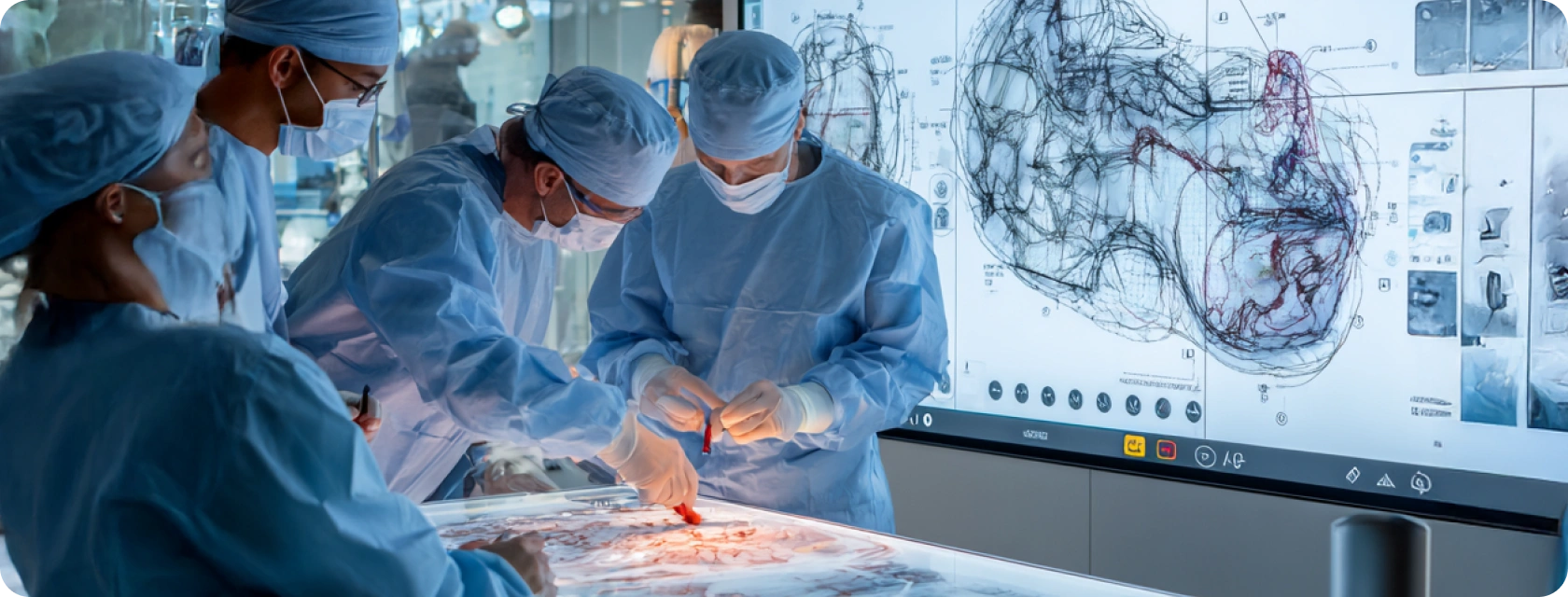
The surgical oncology doctors and specialists at Everhope combine cutting-edge technology with a wealth of knowledge. Together with pathologists, anesthesiologists, and support personnel, our medical surgical oncology team operates in a multidisciplinary setting. Modern amenities are offered by sophisticated operating rooms with robotic technologies and image-guided navigation. Comprehensive post-operative care is ensured by specialized ICU and HDU facilities. Comfort, communication, and the best possible results are the main focuses of our patient-centered approach.

Surgical oncology meaning encompasses comprehensive cancer care in addition to surgery. Our dedication to excellence and innovation in every surgery is the Surgical Oncology Impact Factor in patient outcomes.


Insurance at Everhope

Insurance at Everhope

Understanding Insurance Coverage for Surgical Oncology

Understanding Insurance Coverage for Surgical Oncology

Insurance coverage for surgical oncology in India varies depending on the type of cancer, the complexity of the therapy, and the conditions of the policy. Curative resections, staging surgeries, and cancer diagnostic procedures are typically covered by insurance. Plans differ in how they cover reconstructive procedures. In order to maintain access to high-quality care, Everhope's financial counseling team assists patients with navigating insurance, comprehending coverage limitations, investigating payment choices, and gaining access to financial assistance programs.

Surgical oncology in gurugram at Everhope provides comprehensive financial transparency and support throughout your treatment journey, with insurance covered by all private and government insurances, along with No-Cost EMI options.

Book Your Consultation

Don't delay your cancer treatment. Contact Everhope today to schedule a consultation with our surgical oncology doctors in surgical oncology in gurgaon. Our team provides comprehensive evaluation, personalized treatment planning, and expert surgical care.

Location: Everhope Oncology, Gurugram

Phone: +91 89296 72099

Email: support@everhope.care

Key Take Away

Surgery is still the mainstay of cancer treatment. The highest standards of accuracy, creativity, and patient care are demonstrated by surgical oncology procedures at Everhope. Our skilled team of surgical oncologists provides outstanding results whether your cancer calls for diagnostic tests, curative resection, or palliative care. Compassionate care, skilled professionals, and cutting-edge technology come together to offer healing and hope.

FAQs on Chemotherapy

No question is too small when it comes to your care

With specialized training in oncologic principles, advanced cancer-specific procedures, and multimodal therapy integration, surgical oncology professionals are solely focused on treating cancer. With less experience in cancer, general surgeons treat a variety of ailments.

Check out surgical oncology fellowship training, experience with your particular type of cancer, affiliation with recognized cancer facilities, involvement in multidisciplinary teams, and a proven dedication to patient outcomes and communication.

Age is not a barrier in and of itself. Candidacy for surgery is based on personal objectives, organ function, cancer features, and general health. With the right pre-operative assessment and care, even older people can have procedures done safely and frequently with great results.